UN BUILDING – Ben Murphy in Antwerpen

27 01 2012

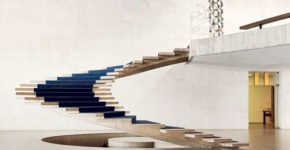
British Photographer Ben Murphy portrayed Niemeyer’s UN building, prior to the major renovation of the building in 2007. Over a period of 15 months, Murphy worked his way around the building. In more than 100 photographs, he has managed to capture what he calls ‘a certain melancholic beauty’: Architecturally speaking, the building bears the heavy imprint of the UN’s early vision.

courtesy Stieglitz19

courtesy Stieglitz19


Ben Murphy | UN BUILDING
21/1 – 26/2/2012
Stieglitz19 | Dries Roelens, Antwerpen, Belgium
www.stieglitz19.be


PR Text: British Photographer Ben Murphy was determined to get inside the UN building, prior to the major renovation of the building in 2007. Over a period of 15 months, Murphy worked his way around the building, taking photographs on 5×4 and 6×7 plate camera. In more than 100 photographs, Murphy has managed to capture what he calls ‘a certain melancholic beauty’.

courtesy Stieglitz19

courtesy Stieglitz19

Architectururally speaking, the building bears the heavy imprint of the UN’s early vision. ‘I’m saddened that the post war ideal didn’t materialise’ , Murphy says. And that the building is decaying and this beautiful space is going to change. But it’s like a museum. It no longer represents the real world. It was one of the earliest projects of the upcoming young Brazilian architect Niemeyer, the famous project 23.

Ben Murphy has achieved praise for his series ‘Riverbed’, pictures shot in a Spain.The series was about a post colonial settlement in Andalusia, a colony of British. New age travellers in the wasteland of Spain. Due to the series, he got a fund from the Grant Foundation in Chicago to work on Tent Cities in the United States. The works will be on show at the Photographers Gallery in London at at the Stieglitz19 Gallery. Works of Ben Murphy are in the permanent collection of the National Portrait Gallery, the Victoria and Albert Museum. He has also been shortlisted for the Sovereign Price. He is presently working on a series on hippie communities in Spain.

Info + illus. courtesy Stieglitz19


People meet in ARTitecture: 12. Architektur-Biennale in Venedig (Teil 1)

1 11 2010

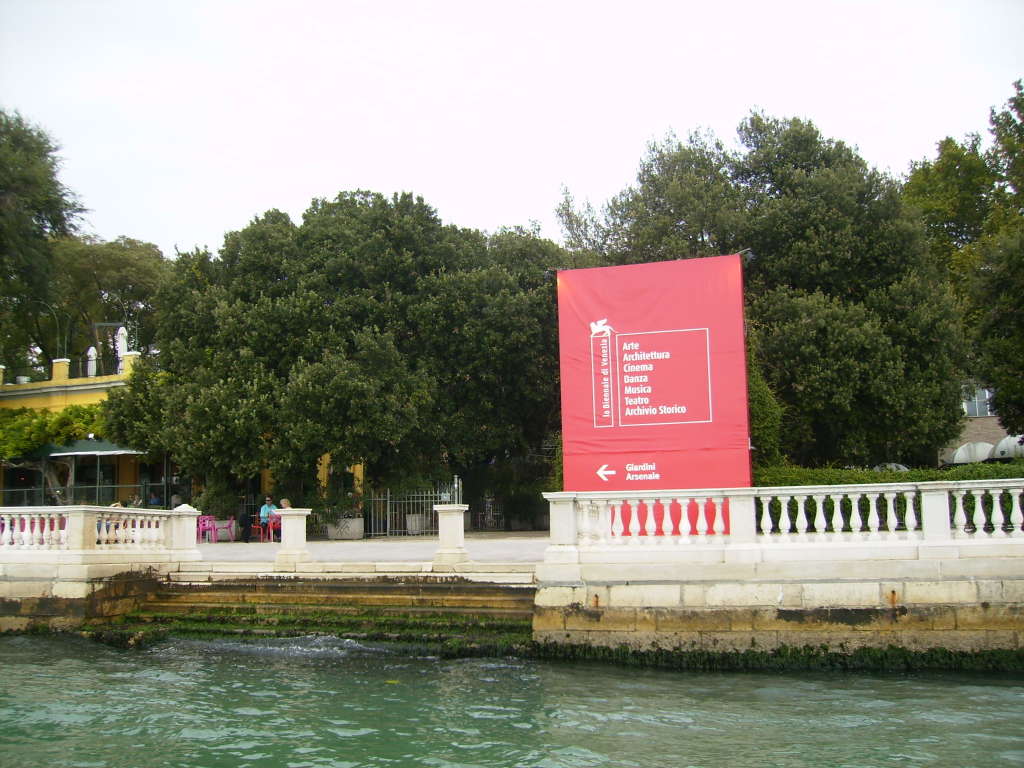
Meine erste Architekturbiennale! Nachdem ich in den letzten Jahren schon mehrere Kunstbiennalen besuchen konnte, habe ich es dieses Jahr das erste Mal zu einer Architekturbiennale geschafft. Ein Tag ist nicht gerade viel, um alles mitzunehmen, aber wir haben es geschafft, zumindest die Länderpavillons in den Giardini (ausgiebig) und das Arsenale (zügig) zu sehen. Die Eindrücke waren vielfältig und sind jetzt allmählich verdaut, so dass es an der Zeit für einen „Erfahrungsbericht“ ist: Was hat gefallen, was weniger, welche zwei Pavillons haben es in mein persönliches Best of geschafft und was hat es mit der ARTitecture auf sich?

Mehr Fotos auf meiner Facebook-Seite.

Das Medienecho war eher verhalten (wie das meist so ist, bei Großveranstaltungen dieses Kalibers). Daher habe ich mich bemüht, möglichst „uninformiert“ nach Venedig zu fahren und alles so unvoreingenommen wir möglich wirken zu lassen. Trotzdem waren die Erwartungen, nuja, mittelgroß: „Bist du auch schon auf der Biennale gewesen dieses Jahr?“ – „Nein, noch nicht … Lohnt es sich denn?“ – „Äh, nicht so …“ In dieser Form liefen einige Unterhaltungen im Vorfeld der Fahrt ab. Bezeichnenderweise fiel das Echo von Architektenseite her eher reduziert aus, während es von Künstlerseite sehr viel positiver war. Nicht ohne Grund, wie ich jetzt weiß …

Tatsächlich sind sehr viele Pavillons weniger architektonisch gestaltet, sondern künstlerisch. Soll heißen, es werden wenige Exponate gezeigt, die sich mit konkreten Fragen des praktischen Bauens beschäftigen, sondern vielmehr freiere Herangehensweisen an das Thema Architektur – manche gelungener, manche weniger. Alles in allem könnte man in Ahnlehnung an das diesjährige, von Kazuyo Sejima ausgegebene Motto sagen: People meet in ARTitecture. Für mich und den Standpunkt, den ich mit deconarch.com verfolge, also eigentlich genau richtig. Ich kann allerdings auch nachvollziehen, dass gerade Architekten von einer solchen „Bauschau“, die keine so richtig ist, eher enttäuscht sind.

Die Länderpavillons

Pavillon Kanada, Foto: SK

Pavillon Kanada, Foto: SK

Es versteht sich, dass bei einer Fülle von Pavillons, die von mehr als 50 Nationen bespielt werden, einiges mehr, einiges weniger gefallen kann. Auffallend ist, dass es bestimmte Typen der Pavillongestaltung gibt, die gehäuft vorkommen. Statt eines Aha-Effekts ertappt man sich daher häufiger bei einem Déjà-vu-Gefühl.

Pavillon Ungarn, Foto: SK

Pavillon Ungarn, Foto: SK

Da waren durchgestylte Raumlabyrinthe, meist mit Lichteffekten in Szene gesetzt, in denen mehr oder weniger Geheimnisvolles von der Decke hing – in Ungarn etwa sozialromantisch Bleistifte (Bleistifte? Achja, die gezeichnete Linie als Ursprung jedes Entwurfs, das Handwerkszeug des Architekten, Sozialromantisch eingesammelt von Schulen im ganzen Land), während in Kanada James Cameron grüßen lässt – sehr stylisch, sehr cool, aber trotz der grundsätzlich interessanten Idee von „Hylozoic Ground“ (der kanadische Architekt Philip Beesley hat einen Wald aus Acryl-Farn installiert als Vision einer neuen Generation responsiver Architektur) etwas zu viel Sci-Fi im Avatar-Stil und zu wenig Architektur.

An sich gar nicht uninteressant, aber streckenweise schwer zugänglich geben sich viele Pavillons, bei denen man sich fragt, wo genau der Architekturbezug, wenn nicht gar eine Auseinandersetzung mit dem Motto der Biennale ansetzen will. Bei einigen helfen die Zusatzinformationen weiter – das wäre bei sehr viel mehr Pavillons ebenfalls wünschenswert gewesen –, bei anderen bleibt dem Besucher nur viel Fantasie (oder weitergehen). Polen etwa präsentierte eine cool illuminierte Raumskulptur aus – Fahrradkörben? Vogelkäfigen? Der begleitende Text liest sich zwar im Nachhinein spannend, lässt sich aber aus der Installation nicht wirklich erschließen. „Emergency Exit”? Oh, ja bitte.

Im Pavillon der Nordischen Länder, Foto: SK

Im Pavillon der Nordischen Länder, Foto: SK

Viele Pavillons sind solide gestaltet – ganz ordentlich, ohne allzu viel Neues, Überraschendes, Aufregendes zu bieten: Brasilien etwa, mit einer Ode an Oscar Niemeyer, da kann man nicht viel falsch machen, ebenso etwa auch die USA (verschiedene urbanistische Konzepte), Frankreich (was ist METROPOLIS?) und Korea (traditionelle Bauweisen in der Gegenwart).

Spanien Pavillon, Foto: SK

Spanien Pavillon, Foto: SK

Damit kein falscher Eindruck entsteht: Einige Pavillons widmen sich durchaus konkret der Architektur und dem Urbanismus (allerdings sind es nicht zwangsläufig auch die interessanteren Pavillons). Spanien etwa zeigt Solarhäuser, Österreich gibt sich egozentrisch-pompös (sehr treffend kommentiert HIER), Dänemark stellt didaktisch gelungen Fragen nach der Zukunft des Städtebaus. Auch der skandinavische Pavillons ist interessant, hier darf der Besucher sogar selbst Jury spielen und Goldene Hirsche an das gelungenste Exponat vergeben, oder Japan, das sich selbstkritisch mit dem „Metabolismus“ auseinandersetzt, der vor 50. Jahren als erstes einflussreiches Architekturmanifest aus Japan um die Welt ging. Etwas zu voll präsentiert sich der Pavillon zwar, bietet dem Besucher aber dennoch spannende Einsichten – sozusagen von oben und unten, von innen und außen: Über zwei Stockwerke ist ein Haus-Modell gebaut, in das man von unten in ein „Guckloch“ eintreten kann.

Serbien Pavillon, Foto: SK

Serbien Pavillon, Foto: SK

Australien Pavillon, Foto: SK

Australien Pavillon, Foto: SK

Und dann waren da noch – die Pavillons, die irgendwie cool/amüsant/interessant waren, aber irgendwie nicht so recht auf eine Architekturschau passen wollen. Australien etwa zeigt eine Disco-Laser-Licht-Show im Darkroom (ach ja, es gibt auch einen 3D-Film über Bauprojekte). Griechenland baut eine Arche mit allem Saatgut und Serbien einen Holzspielplatz für Erwachsene: Walk the plant! See you on the seesaw! Nicht wirklich architektonisch, aber definitiv der lustigste Pavillon – und genauer besehen auch einer der wenigen Ausstellungsräume, in dem man wirklich von „people meet“ sprechen konnte. Ohne Vermittlung sind diese Ideen jedoch nicht ohne Weiteres zugänglich.

To be continued …


ARCHITEKTUR IM FILM: Cinema Quadrat in Mannheim

1 10 2010

Eine kleine Filmreihe des Mannheimer Kinos Cinema Quadrat widemt sich im Oktober der “ARCHITEKTUR IM FILM”. Besonders freue ich mich, dass darunter auch “Visual Acoustics” ist, der Doku-Film von Eric Bricker über Architekturfotograf Julius Shulman, auf den ich bereits mehrfach hingewiesen habe (am 24.10.).


8.10. / 9.10. / 12.10. /13.10. jeweils 19.30h
MUSIK FÜR HOCHZEITEN UND BEGRÄBNISSE (MUSIKK FOR BRYLLUP OG BEGRAVELSEN)
NOR 2002. R: Unni Straume, D: Lena Endre, Bjorn Floberg, Goran Bregovic. 97 Min., OmU

14.10. – 17.10. jeweils 19.30h
BUILDING THE GHERKIN – NORMAN FOSTER BAUT IN LONDON

CH 2005. R: Mirjam von Arx. Dokumentation. 89 Min. OmU

19.10.-20.10. jeweils 19.30h
DER ARCHITEKT ANTONI GAUDÍ – MYTHOS UND WIRKLICHKEIT
DEU 2010. R: Frederike Müller. Dokumentation. 69 Min.

20.10.-23.10. / 26.10. jeweils 19.30h
OSCAR NIEMEYER – DAS LEBEN IST EIN HAUCH (OSCAR NIEMEYER – A VIDA É UM SOPRO)
BRA 2007. R: Fabiano Maciel. Dokumentation. 85 Min., OmU

24.10. um 19.30h
VISUAL ACOUSTICS – THE MODERNISM OF JULIUS SHULMAN

USA 2008. R: Eric Bricker. Dokumentation. 83 Min., engl. OF

Mehr zum Programm von Cinema Quadrat


"It is beautiful to say that the camera is an extension of the eye but I see the camera more as a scratch book." Interview with Tuca Vieira

8 05 2009

I am glad to present you another impressive photo artist whose work is focusing on architecture, cityscapes, urban sceneries,… Brazilian photographer Tuca Vieira gives us insight into his work and tells us why chose photography, what literature means to him and how it influences his work with the camera, and how he met Oscar Niemeyer.

Tuca, thanks so much for sharing your thoughts!

© photos Tuca Vieira

Centro

Tuca Vieira: Centro

Why photography? How and why did you become a photographer?

I always wanted to have an instrument of expression. I have tried music and drawing before and now I realize that I was trying to say the same things. It is important to see the camera just as an instrument.
I have made an important travel in Europe when I was 16. I have visited many countries, alone with a backpack. At that time it was more difficult than today, I was the first in my family to visit Europe since the Italian immigrants and I wanted to share this experience with them. I had just a fake Yashica camera and a few rolls of film. I had to think before shooting. I became photographer at this moment.

Vale do Anhangabaú

Tuca Vieira: Vale do Anhangabaú

You studied languages and literature first. Why did you decide to become a photographer?

I have decided to be a photographer before the university. And when I had to choose a course, I thought language and literature would give me a good aesthetic, social and historical background. Many photographers I admire didn’t study photography. I love literature; writers are the best image creators I know. Kafka, Jorge Luis Borges and José Saramago are always on my mind when I think about photography.

What does photography mean to you, what possibilities does it offer?

Photography is like a passport. It puts you in some interesting situations that wouldn’t be possible otherwise. Sometimes I feel that what I have experienced, the people I meet, are more important than the photographs I take. In the future I am not sure if I will leave a good photographic work, but I will have many stories to tell.

How do you choose your motives?

Photography is a passion. I guide myself by the pleasure of being on the streets. And sometimes I feel that the subject chooses the photographer. I live in the centre of São Paulo. The city is not as beautiful as Rio but it is a fascinating city, full of creativity and energy. Unlike Rio, where the beauty is everywhere, São Paulo is a place where you are forced to find the beauty in order to support the urban chaos. It makes a wonderful photographic subject.

Tuca Vieria: Centro

Tuca Vieira: Centro

Who / What are your role models? Who / What influenced your work?

I try to bring to the photography what I learned with literature, cinema, and music. It is more influent to me than photography. A good poem is full of beautiful images. I try to say to young photographers (at least younger then me) that there is not much to learn with other photographers. To read a good book is the best photo lesson I know.

Why architecture photos? What are your ambitions with your photographs?

I don’t know if I am exactly an architecture photographer. Sometimes I feel myself closer to the landscape photographers. But instead of nature, I look to the cities. I don’t know if it is the same in English or German, but In Portuguese we call a big city “stone jungle” (selva de pedra).

[[yes, in German there's quite the same expression - Großstadtdschungel / jungle of the city - an idea, that became predominant in the 1910s and 1920s in Berlin and can often be found in Expressionist texts and poems. In English I heard say "urban jungle", though I don't know about the literature historical connotations.]]

VVTs, MoscouTuca Vieira: VVTs, Moscou

You mostly photographed São Paulo so far – but I take it that you are now exploring new cities, S. Petersburg, Berlin,…

Exactly. I have been photographing São Paulo during the last years I now I feel that it is time to explore different places. I am going to Berlin this year for a six months period. I am curious to see what will happen. São Paulo is my city and I love to see the work of a foreign photographer about São Paulo. Now I will be a foreigner in Berlin.

Did you shoot the major part of your o Paulo portrays from “above”, i.e. from an airplane?

Some are from the top of buildings, others from helicopter. But I also have a black and white work, more intimate and personal, where I try to make some “street photography”. It is important to me to be on the street level, closer to the people, even to understand the city from above.

Most of your photos are without humans. Is that intentional?

Tuca Vieria:  São Paulo, 2008

Tuca Vieira: São Paulo, 2008

ot intentional. I don’t think much about this. But even without people, I try to show the human presence behind the buildings. A city is perhaps the most complex human work ever made. I see a great human drama in the city shape.

What does architecture mean to you?

I lived in Belo Horizonte, in state of Minas Gerais when I was teenager, and I will never forget the impact of visiting the works of Niemeyer in the Pampulha complex or the colonial cities like Ouro Preto and Sabará. The richness of baroque and modernist architecture in Brazil (and its relations) is a wonderful example of what this country can offer to the world.

You portrayed Oscar Niemeyer – any experiences you want to share about meeting him?

escritório, Rio de Janeiro

Tuca Vieira: escritório, Rio de Janeiro

Oscar Niemeyer is one the artists I most admire. Not only because of his architecture, but also his example as human being. The first time I went to his office to portrait him was not easy. I have introduced myself, saying I am a great admirer of him. After two or three pictures he sad to me: ok enough. I was disappointed until I put the camera back in the bag. Than we started to chat and we had a wonderful conversation about Brazil, about life. He made me think what I was I was doing there. It was not just about the pictures. He always repeats that architecture is not important. That day I realized that also photography is not important. To meet someone like Niemeyer is much more important.

What – in your opinion – is characteristical of your work and your working method?

Composition is important to me. I try to find a balance in the frame. I always have in my mind that every photograph is just an interpretation of the subject. The nature of the photography, its two dimensions, the frame format, request a different way of approaching a subject. It is beautiful to say that the camera is an extension of the eye but I see the camera more as a scratch book.

Where can we see your works? Exhibitions coming up?

I have a website, www.fototucavieira.com.br. Now I am planning this trip to Berlin and it would be wonderful to show my work in Germany.

Tuca Vieira, thank you very much for the interview!!